Autumn Budget 2026: Key Tax Changes and What They Mean for You
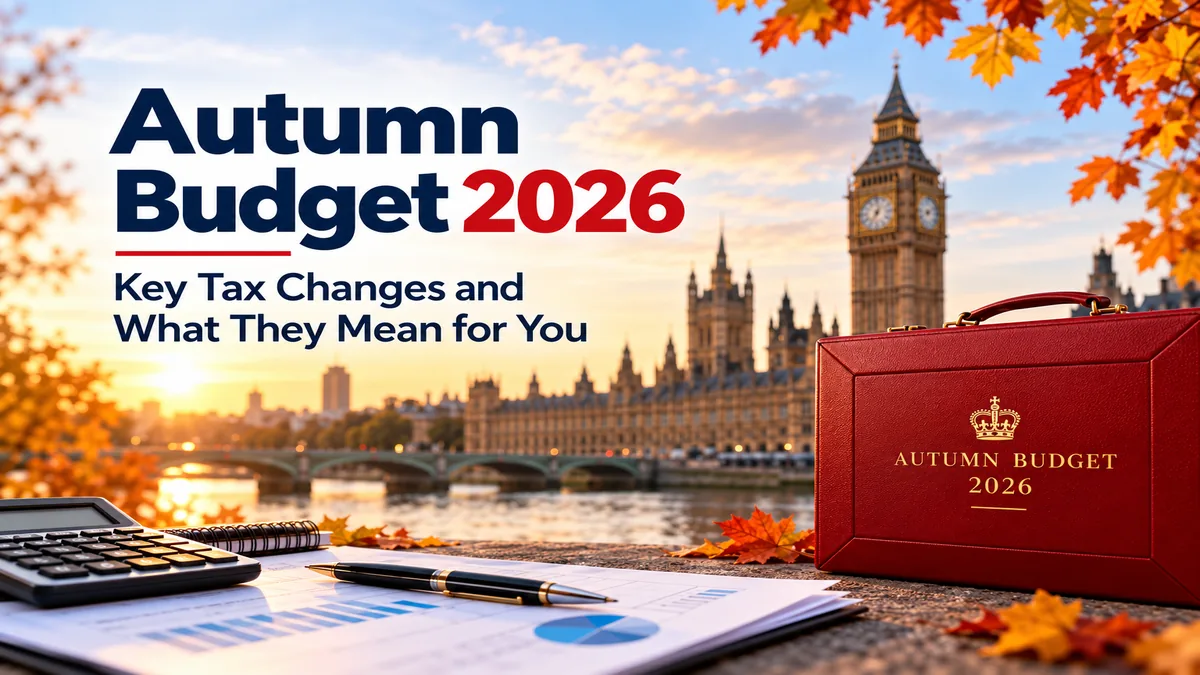
Autumn Budget 2026: Key Tax Changes and What They Mean for You
Published: 29 October 2026
By S & B Accountants Limited – Chartered Certified Accountants
The Chancellor, John Healey, delivered the Autumn Budget on 28 October 2026, announcing several important tax changes affecting individuals, landlords, company directors, employers, sole traders and businesses across the UK.
The Budget aims to provide some relief from rising household and business costs while maintaining fiscal discipline. However, changes to Income Tax, Capital Gains Tax, business rates and Making Tax Digital could have significant implications for taxpayers over the coming years.
At S & B Accountants Limited, we have reviewed the main announcements and prepared this straightforward guide to help you understand the changes and how they may affect your financial and business decisions.
1. Personal Income Tax – Allowances and Thresholds Remain Frozen
The government has confirmed that the main Income Tax allowances and thresholds will remain frozen until 5 April 2031.
For the 2027/28 tax year, the following rates will continue to apply to general income in England, Wales and Northern Ireland.
Personal Allowance: £12,570 – no Income Tax payable on income within this allowance.
Basic Rate (20%): Taxable income between £12,571 and £50,270.
Higher Rate (40%): Taxable income between £50,271 and £125,140.
Additional Rate (45%): Taxable income exceeding £125,140.
The Personal Allowance is reduced by £1 for every £2 of adjusted net income above £100,000 and is fully withdrawn once income reaches £125,140.
What does this mean for taxpayers?
Although tax rates remain unchanged, freezing the thresholds means more individuals could move into higher tax brackets as their earnings increase.
This is commonly known as fiscal drag.
Individuals earning more than £100,000 should consider tax planning opportunities, including pension contributions and Gift Aid donations, where appropriate.
2. Higher Income Tax on Rental and Savings Income from April 2027
One of the most significant changes announced in the Budget concerns rental income and savings interest.
From 6 April 2027, the Income Tax rates applicable to property and savings income will increase by four percentage points.
The new rates will be:
Basic Rate: Increasing from 20% to 24%.
Higher Rate: Increasing from 40% to 44%.
Additional Rate: Increasing from 45% to 49%.
The Personal Savings Allowance remains unchanged:
Basic-rate taxpayers: £1,000.
Higher-rate taxpayers: £500.
Additional-rate taxpayers: £0.
What does this mean for landlords?
Landlords may face higher Income Tax liabilities on their rental profits from April 2027.
However, the basic-rate tax reduction for qualifying residential mortgage interest will also increase from 20% to 24%.
The overall impact will depend on rental profits, mortgage interest, other income and individual circumstances.
Our recommendation: Landlords should review their property income, expenses, mortgage arrangements and tax position before April 2027.
3. Dividend Tax – Important Changes for Company Directors
The tax-free dividend allowance will remain at £500 for 2027/28.
Dividend Income Tax rates will remain as follows:
Basic Rate: 10.75%.
Higher Rate: 35.75%.
Additional Rate: 39.35%.
Dividends received within the £500 allowance are taxed at 0%, although they still count towards the relevant Income Tax thresholds.
What does this mean for limited company directors?
Directors who receive income through a combination of salary and dividends should regularly review their remuneration arrangements.
The most tax-efficient approach will depend on several factors, including:
Company profits and Corporation Tax liabilities.
Director's salary and other personal income.
Dividend distributions.
National Insurance contributions.
Pension contributions.
At S & B Accountants Limited, we can help company directors review their salary and dividend arrangements to manage their overall tax position.
4. National Insurance Contributions – No Changes to Main Rates
The Budget announced no changes to the main National Insurance contribution rates.
For 2027/28, the principal rates remain:
Employees
8% on earnings between the primary threshold and upper earnings limit.
2% on earnings above the upper earnings limit.
Employers
15% on earnings above the applicable employer National Insurance threshold.
The annual employer secondary threshold remains at £5,000.
The Employment Allowance remains at £10,500 for qualifying businesses.
Self-employed individuals
Class 4 National Insurance at 6% on profits between £12,570 and £50,270.
Class 4 National Insurance at 2% on profits above £50,270.
What should employers consider?
Employers should review their payroll costs, particularly where they have multiple employees or are planning to recruit additional staff.
Businesses should also check their eligibility for the Employment Allowance.
5. Corporation Tax – Rates Remain Unchanged
The government has confirmed that the main Corporation Tax rates will remain unchanged.
The rates are:
Small Profits Rate: 19% for companies with taxable profits up to £50,000.
Main Rate: 25% for companies with taxable profits above £250,000.
Marginal Relief: Available for qualifying companies with profits between £50,000 and £250,000.
These thresholds are subject to adjustment where a company has associated companies or a shorter accounting period.
What does this mean for businesses?
Although the rates remain unchanged, companies should continue to review their tax planning arrangements.
This may include:
Claiming allowable business expenses.
Reviewing capital allowances.
Considering employer pension contributions.
Managing the timing of business expenditure.
Reviewing director remuneration arrangements.
Proper tax planning can help businesses manage cash flow and avoid unnecessary tax liabilities.
6. Making Tax Digital – More Landlords and Sole Traders Must Comply
Making Tax Digital for Income Tax (MTD IT) is being introduced in stages.
The implementation dates are:
From 6 April 2026
Individuals with combined qualifying self-employment and property income exceeding £50,000.
From 6 April 2027
Individuals with combined qualifying income exceeding £30,000.
From 6 April 2028
Individuals with combined qualifying income exceeding £20,000 are currently scheduled to join.
Importantly, these thresholds are based on gross qualifying income before deducting expenses, rather than taxable profits.
What will Making Tax Digital require?
Affected taxpayers will generally need to:
Maintain digital accounting records using compatible software.
Submit quarterly updates to HMRC.
Complete their annual tax reporting requirements.
Ensure their accounting records are accurate and up to date.
What should landlords and sole traders do now?
If your combined qualifying rental and self-employment income exceeds £30,000, you should establish whether you will be required to comply from April 2027.
S & B Accountants Limited can assist with Making Tax Digital registration, accounting software, bookkeeping and quarterly HMRC submissions.
7. VAT Registration Threshold Remains at £90,000
The VAT registration threshold remains unchanged at £90,000.
The VAT deregistration threshold also remains at £88,000.
Businesses must generally register for VAT when their taxable turnover exceeds £90,000 over any rolling 12-month period, unless an exception applies.
Other important VAT changes
Online marketplaces
From October 2027, online marketplaces will become responsible for accounting for VAT on certain sales made by UK businesses through their platforms.
This could affect online sellers using platforms such as Amazon and eBay.
Private hire vehicles
The government has announced proposed VAT changes affecting large taxi and private hire operators.
The measures are intended to take effect from 2 January 2028, subject to further consultation.
Electronic invoicing
From April 2029, VAT invoices will be required to be issued in a specified electronic format under the planned e-invoicing rules.
What should businesses do?
Businesses should review their VAT registration position, accounting systems and invoicing arrangements to prepare for future compliance requirements.
8. Business Rates Relief – Additional Support for Small Businesses
The Budget introduced additional support for qualifying retail, hospitality and leisure businesses in England.
From 1 April 2027, the following changes will apply to qualifying properties:
The rateable value threshold for 100% Small Business Rate Relief will increase from £12,000 to £18,000.
Tapered relief will extend to qualifying properties with rateable values up to £21,000.
Business rates relief for qualifying pubs, social clubs and most live music venues will increase from 15% to 35%.
The government also announced measures to limit certain business rates increases for qualifying retail, hospitality and leisure properties.
What does this mean for small businesses?
Eligible restaurants, cafés, shops and hospitality businesses could benefit from lower business rates bills.
Businesses should check their property's rateable value and eligibility for relief.
9. Trading Allowance Increases to £3,000
From 6 April 2027, the trading allowance will increase from £1,000 to £3,000.
This change could benefit individuals earning smaller amounts from self-employment or occasional trading activities.
For example, individuals earning income from freelance work, online trading or other qualifying activities may benefit from the increased allowance.
However, the trading allowance is subject to specific eligibility conditions.
Where trading income exceeds the allowance, taxpayers may be able to deduct the fixed allowance instead of actual qualifying expenses.
What should sole traders consider?
Sole traders should compare the trading allowance against their actual allowable business expenses to determine the most beneficial approach.
10. Capital Gains Tax – Changes for Business Owners
The annual Capital Gains Tax exemption will remain at £3,000 for individuals in 2027/28.
The main Capital Gains Tax rates remain:
18% for gains falling within the available basic-rate band.
24% for gains above the basic-rate band.
Business Asset Disposal Relief
From 6 April 2027, the lifetime limit for qualifying gains under Business Asset Disposal Relief will reduce from £1 million to £500,000.
The applicable tax rate remains at 18%.
This change may significantly affect business owners planning to sell their companies or qualifying business assets.
New Founders' Relief
The government has announced a new Founders' Relief, intended to support qualifying founders and early investors in high-growth and innovative UK companies.
The proposed relief will provide:
A 10% Capital Gains Tax rate on qualifying disposals.
A lifetime limit of £10 million in qualifying gains.
An intended commencement date of 6 April 2027.
Further details will be confirmed following consultation.
Business owners considering selling their company should seek professional tax advice before proceeding with any transaction.
11. Capital Allowances – Changes to Business Investment Relief
The Budget announced changes to capital allowances for qualifying plant and machinery.
From 1 January 2027
The main-rate First Year Allowance will increase from 40% to 50%.
From April 2027
The main-rate writing-down allowance will reduce from 14% to 12%.
The Annual Investment Allowance remains at £1 million, subject to the applicable conditions.
What does this mean for businesses?
Businesses planning to purchase machinery, equipment or other qualifying assets should review the timing of their expenditure.
Depending on the nature of the assets and the business, different capital allowances may be available.
12. Inheritance Tax – Pension and Estate Planning Changes
The Inheritance Tax nil-rate band remains frozen at £325,000 until April 2031.
The residence nil-rate band also remains at £175,000, subject to eligibility conditions.
A married couple or civil partners may potentially pass on up to £1 million free of Inheritance Tax where the relevant allowances and transferable reliefs are fully available.
Unused pension funds
From 6 April 2027, unused pension funds will generally be included in the deceased person's estate for Inheritance Tax purposes.
This could have significant implications for individuals with substantial pension savings.
What should individuals consider?
Individuals should review their wills, pension nominations and estate planning arrangements.
Professional advice may be particularly important where estates include property, investments, pensions or business assets.
13. ISA Allowances and Pension Contributions
The annual Individual Savings Account allowance remains at £20,000.
The previously announced restriction on cash ISA contributions from April 2027 has been cancelled.
Individuals will therefore continue to be able to invest up to £20,000 annually across eligible ISAs, subject to the relevant rules.
Pension contributions
The standard annual pension allowance remains at £60,000, although restrictions may apply to higher earners and individuals who have flexibly accessed pension benefits.
The maximum standard tax-free pension lump sum remains at £268,275, unless an individual holds relevant protection.
New First-Time Buyer ISA
The government has announced plans to introduce a new First-Time Buyer ISA from April 2029 to replace the Lifetime ISA.
The proposed scheme will offer a 25% government bonus for qualifying first-home purchases, subject to the applicable conditions.
14. National Minimum Wage Increases from April 2027
The National Minimum Wage and National Living Wage rates will increase from 1 April 2027.
The new hourly rates will be:
Employees aged 21 and over: £13.21.
Employees aged 18–20: £11.27.
Employees aged 16–17: £8.31.
Apprentices: £8.31, where the apprentice rate applies.
What should employers do?
Employers should review employee wages, employment contracts and payroll systems before April 2027.
Businesses operating in hospitality, retail and other labour-intensive sectors should also consider the impact on staffing costs and cash flow.
15. Other Important Budget Announcements
The Autumn Budget also included several measures affecting households and businesses.
Energy support
The government announced a £100 energy support payment for qualifying households in Council Tax bands A to D in England, expected to be paid in January 2027.
Fuel duty
The existing fuel duty freeze and temporary 5p reduction will continue beyond January 2027.
The government intends to resume inflation-linked increases from July 2027.
Company benefits and payroll
Mandatory payrolling of certain employee benefits is scheduled to begin from April 2027, with further changes planned from April 2028.
Employers providing company cars, vans, fuel or medical benefits should prepare for the revised reporting requirements.
Research and Development Tax Relief
From April 2027, companies will no longer be required to submit the existing R&D claim notification form.
HMRC also plans to introduce a simplified Additional Information Form later in 2027.
Businesses making R&D claims should ensure they continue to meet the relevant eligibility and documentation requirements.
What Should You Do Following the Autumn Budget 2026?
The Budget introduces changes that could affect your tax liabilities, business costs and reporting obligations.
Although several measures will not take effect until 2027 or later, reviewing your position early may help you prepare.
At S & B Accountants Limited, we recommend that:
Limited company directors review their salary, dividends, pension contributions and Corporation Tax arrangements.
Landlords review rental profits, mortgage interest relief and Making Tax Digital obligations.
Sole traders assess the impact of the increased trading allowance and future digital reporting requirements.
Employers prepare for National Minimum Wage increases, payroll changes and National Insurance costs.
VAT-registered businesses monitor their taxable turnover and prepare for relevant VAT and electronic invoicing changes.
Business owners and investors review Capital Gains Tax reliefs and consider the timing of significant transactions.
How Can S & B Accountants Limited Help?
At S & B Accountants Limited, we understand that tax legislation can be complicated and that changes to tax rules can affect both individuals and businesses.
Our team provides professional accountancy, taxation and business advisory services tailored to your circumstances.
Our services include:
Annual accounts and Corporation Tax returns.
Self Assessment tax returns.
VAT registration, returns and compliance.
Payroll and workplace pension services.
Bookkeeping and accounting software support.
Making Tax Digital registration and submissions.
Company formation and secretarial services.
Business and tax advisory services.
Whether you are a company director, landlord, sole trader or established business owner, we can help you understand your obligations and plan ahead.
Contact S & B Accountants Limited
Do you need advice on how the Autumn Budget 2026 will affect you or your business?
Contact our team to discuss your circumstances and the steps you may need to take before the forthcoming tax changes come into effect.
S & B Accountants Limited
Chartered Certified Accountants
Website: https://sandbaccountants.co.uk
We are here to help you manage your accounting and tax responsibilities with confidence.
Important Disclaimer
This article provides a general overview of the Autumn Budget announced on 28 October 2026 and is intended for information purposes only.
Some measures are subject to further consultation, legislation or HMRC guidance. Tax treatment depends on individual circumstances and may change.
We recommend obtaining professional advice before making financial, tax or business decisions based on the information provided.
Source: ICPA Autumn Budget 2026 Summary, 28 October 2026.